Why complications can cluster after hospital discharge
The first few days at home can feel oddly quiet: you’re sore, a little foggy from pain meds, and suddenly you’re the one deciding when to eat and drink. In the hospital, small gaps get covered—someone notices you didn’t touch lunch, a nurse asks about nausea, fluids show up on schedule. At home, it’s easier for needs to slip behind “just getting through the afternoon,” especially if standing to cook hurts, rides to the store are limited, or you’re waiting on someone else’s help.
That’s one reason setbacks can seem to cluster after discharge. It’s rarely one dramatic miss; it’s often a slow drift—skipped breakfasts, smaller portions, fewer protein foods, less water—stacking on top of swelling, sleep loss, and medication side effects. The body may cope for a bit, then the pattern shows up as fatigue that deepens, lightheadedness, constipation, poor sleep, or a wound that just looks like it’s taking its time. The frustrating part is how normal it can feel until it doesn’t.
Food access as a recovery variable, not lifestyle
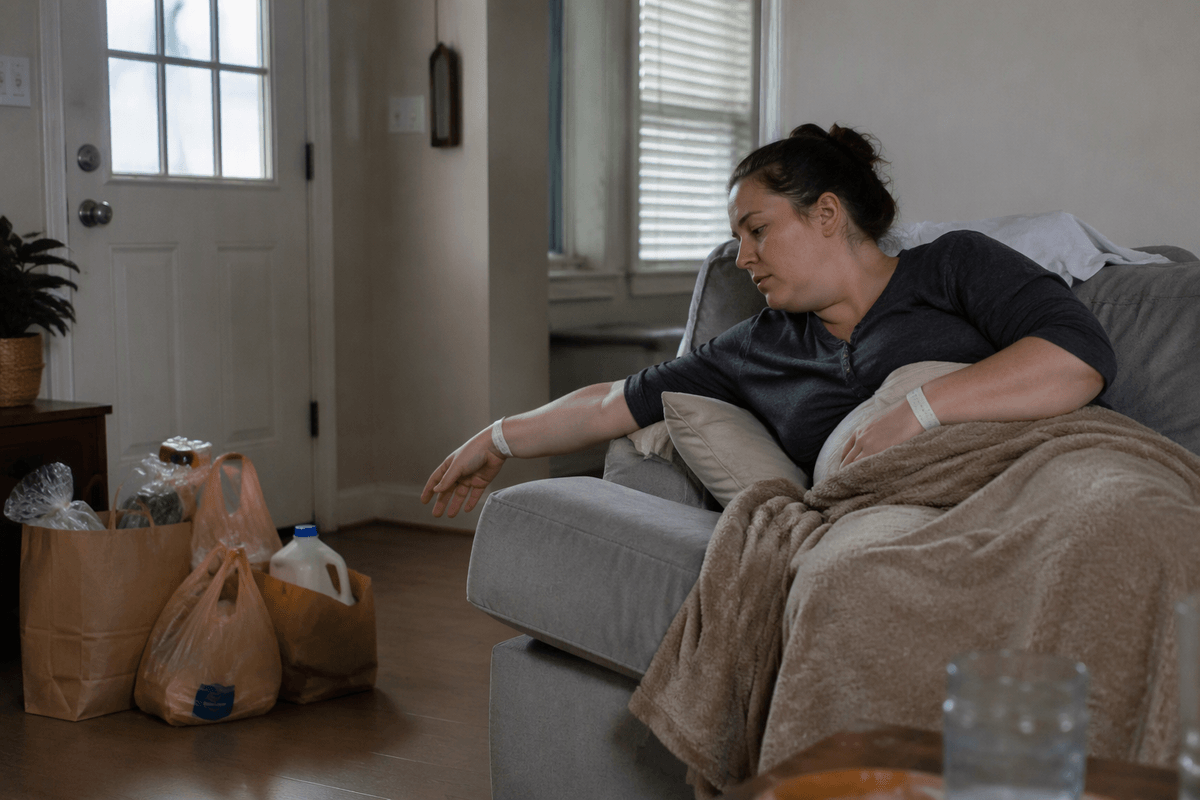
It can start as a practical snag: the fridge looks “fine,” but the options are mostly toast, crackers, and whatever is easiest to reach. People often blame themselves—like this is about willpower or “eating clean”—when it’s more about access. After surgery, food becomes part of your recovery environment, the way a stable place to rest or a reliable ride to a follow-up appointment is. If getting groceries requires driving you can’t do yet, lifting bags you shouldn’t lift, or waiting on a helper with their own schedule, intake can quietly shrink without you noticing day to day.
One day you manage a decent meal; the next day pain flares, you sleep late, and the only thing that feels doable is a small snack. Over a week, that pattern may show up less as hunger and more as slower energy return, shakiness with standing, worsening constipation, or feeling unusually “worn down,” even when the incision itself seems unchanged.
Nutrition demands rise while appetite and energy drop
By the time you’re home, the hunger cues can be strangely muted. You may notice you’re “not that hungry,” yet you’re also more wiped out by a shower, a short walk, or even sitting upright for a while. Part of the mismatch is that recovery is a busy process—your body is spending energy on tissue repair and immune work—while the things that normally help you eat (standing at the counter, tolerating smells, timing meals) are suddenly harder. Add nausea, constipation, or a dry mouth from meds, and even decent food can feel like a chore.
What often gets missed is how quickly small shortfalls add up. A day of soup and crackers may feel reasonable when your stomach is unsettled, but a few days of low protein and low fluids can show up as heavier fatigue, more dizziness when you stand, and sleep that doesn’t feel restorative. It’s not always dramatic, and it’s inconsistent—some days you eat “fine”—which can make the pattern easy to doubt until you look back over the week.
Wounds, infections, and the quiet role of groceries
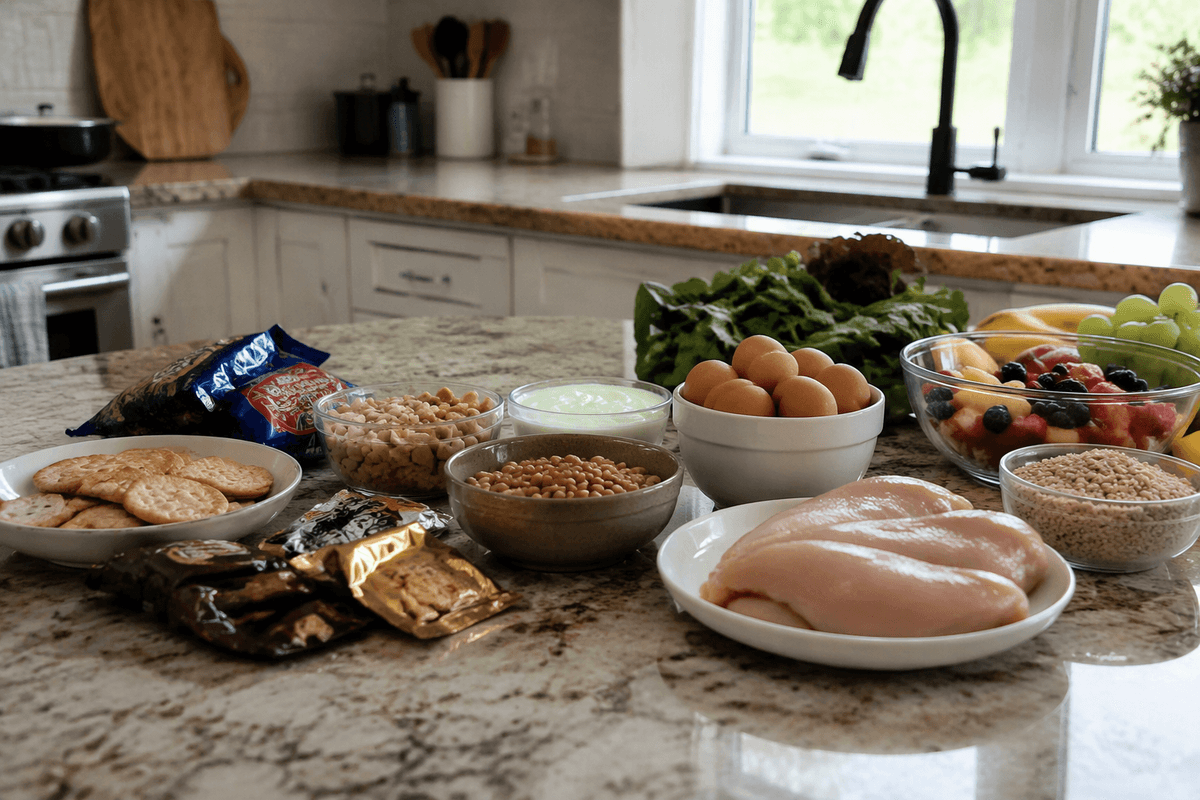
You might first notice it at a dressing change: the incision looks mostly “okay,” but the edges seem puffy, the drainage is a little more than yesterday, or the skin feels tender in a way that’s hard to describe. It’s easy to blame movement or a rough night of sleep. But when meals have been patchy—more crackers than protein, fewer fluids, not many fruits or vegetables—the wound can start to behave like it’s working with a smaller budget. The frustrating part is that nothing looks dramatically wrong, just slower and touchier.
Groceries matter here in a quiet, indirect way. Tissue repair leans on steady protein and calories, while immune defenses rely on enough fluid and a mix of micronutrients that often come from “real food” rather than whatever is easiest to snack on. When access is inconsistent, intake tends to drop in clusters: a couple low-food days after a painful morning, then another dip when you can’t get to the store. In some situations, that’s when people notice wounds staying red longer, new warmth, or fatigue that feels out of proportion—and start wondering whether it’s the incision, or everything around it.
Medication schedules collide with real-world eating patterns
Sometimes the first hint is mechanical: you reach for the pill organizer and realize the day is already off by an hour. A dose that “should be taken with food” lands on a morning when breakfast never happened, or the anti-nausea tablet works just enough that you forget to drink. When meals are irregular, medication can start steering eating in odd ways—skipping a pain pill because you don’t have something solid, then moving less because pain spikes, then feeling too tired to make food. It’s a loop that can look like “recovery is just harder today,” even when the real trigger was timing.
The collision shows up in small, inconsistent signals: dizziness that hits after standing, constipation that doesn’t respond the way you expect, or a stomach that feels both empty and unsettled. Antibiotics and some pain medicines can also feel harsher when your intake is mostly crackers or sweet drinks, which can make “getting anything down” harder the next day. Over several days, the pattern matters more than any single missed meal.
When ‘follow the diet plan’ backfires unexpectedly
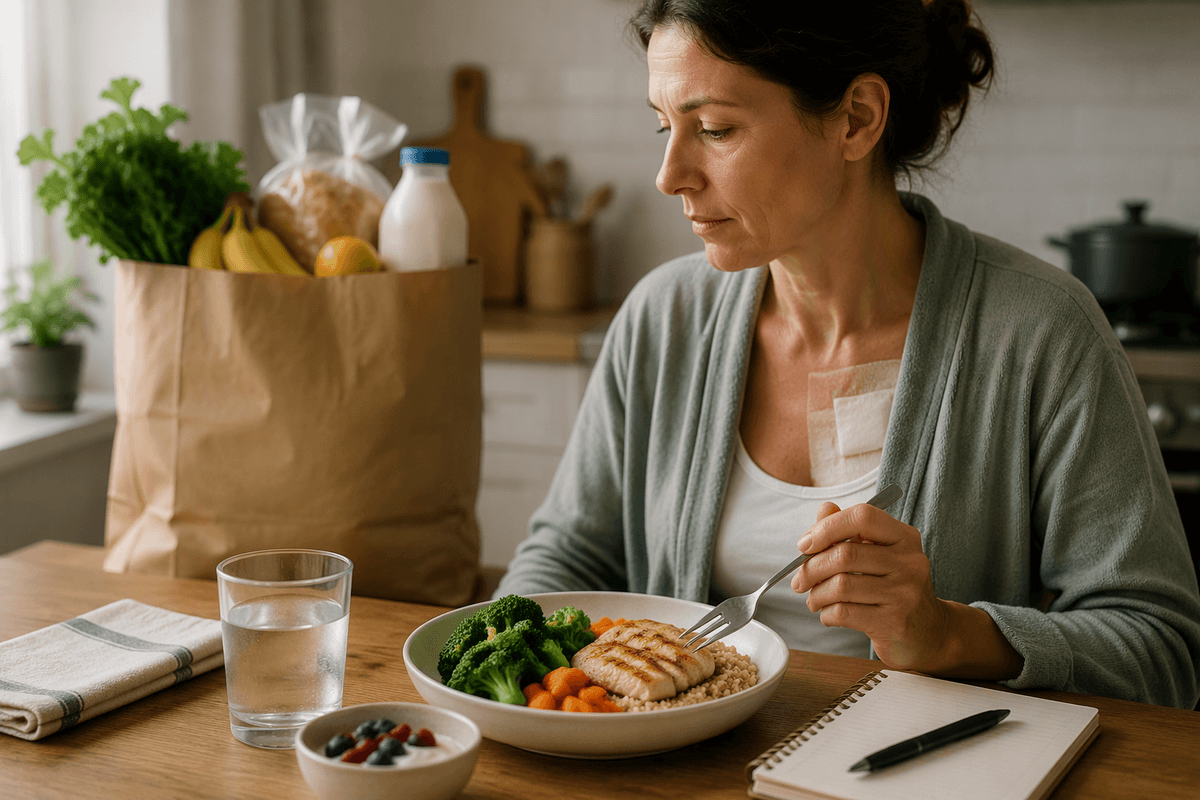
A few days into recovery, the “diet plan” can start to feel like a test you’re failing. You may try to follow every rule—low fat, low salt, low sugar, “light foods only”—and end up with a plate that looks correct but doesn’t actually carry you through the day. In real life, strict restrictions often shrink the menu to what’s bland and easy, especially when pain or fatigue makes cooking unrealistic. That’s when people notice the odd combination of being “careful” and still feeling weaker, more foggy, or more constipated.
What backfires isn’t the plan itself so much as the mismatch between ideal eating and what’s available at home. If the only doable options are broth, toast, or a few bites of fruit, it may be hard to hit steady protein and calories—exactly the things that make meds feel more tolerable and help your body keep up with repair. The tricky part is how normal it can seem until you look back and realize several “light” days stacked together.
How studies measure risk and what gets missed
It can feel confusing when your follow-up paperwork says you’re “doing well,” but your body feels like it’s running on fumes. A lot of research measures nutrition risk with what’s easy to count: a diagnosis code for malnutrition, weight change, lab values, or whether a complication led to a readmission. Those signals matter, but they often show up late—after several low-intake days have already blurred together—and they don’t always capture the in-between experience of eating “something” but not enough protein, fluids, or variety to keep recovery steady.
What also gets missed is how uneven real life is. Studies may rely on a single survey, an average calorie estimate, or a one-time question about food insecurity, even though post-op eating can swing with pain flares, constipation, ride availability, or a helper who cancels. The risk isn’t always a single bad meal; it’s the repeating pattern—fine for two days, then thin for three—that can quietly shape how tired, sore, or slow-healing you feel.