Two coasts, one luxury vision
The first real decision isn’t whether to “do both coasts”—it’s what kind of luxury you mean when you say it. NYC luxury is vertical and scheduled: theatre curtain times, tasting menus, elevator rides that cost as much as a rental car. The West Coast version is horizontal and spaced out: oceanfront drives, late lunches that turn into sunsets, and a constant trade-off between distance and spontaneity.
For a 10–14 day bi-coastal trip, the constraint is energy, not budget. Two cities per coast sounds efficient on paper, but it’s the transfers that quietly eat your days—airport positioning, traffic, and the mental tax of always having a next reservation. If you’re the kind of couple that relaxes with a full calendar, lean into NYC + one West Coast hub (LA or SF) and add a single nature reset (Napa or Big Sur). If downtime is the point, pick one anchor per coast and upgrade the experience—better room, better table, fewer moves—because luxury starts to fray the moment you’re packing again.
East Coast anchors: NYC and New England
The first friction point shows up the morning after your “big NYC night”: you realize the city doesn’t care that you’re tired. If you’re doing New York as an anchor, I’d treat it like a concentrated sprint—two to four nights, one true splurge dinner, one show, and then build in a low-stakes afternoon to absorb the noise (museum + an early cocktail works; trying to add shopping and reservations on top of it usually doesn’t).
New England is the counterweight, but it’s not automatically “easy.” Newport and coastal Rhode Island are a clean reset with short travel time, while the Berkshires feel quieter and more room-for-error if weather turns. Cape/Islands can be magic in season, but the logistics can turn premium fast: ferries, traffic bottlenecks, and the kind of arrival timing that dictates your whole day.
If you want the simplest handoff, keep New England close—one base, two nights, and a single signature plan (sailing, a chef’s counter, or a spa block). It’s the part of the trip where fewer moves translates directly into feeling richer.
East Coast contrast: DC and Charleston
DC is the detour couples add when they want “substance” between indulgences—and it works, but only if you respect its tempo. The museums are free and genuinely world-class, yet they’re also physically draining in a way that doesn’t feel luxurious at 4 p.m. when your feet quit. If you do DC, I’d keep it tight: two nights, one private-capital-style dinner reservation, and one curated block (a single Smithsonian + a neighborhood walk) instead of trying to “see it all.”
Charleston is the opposite: less agenda, more atmosphere, but the friction is heat, humidity, and a dining scene that can be fully booked before you’ve even landed. It’s the better choice if you want romance and pacing—courtyard cocktails, late starts, a boat hour that turns into an afternoon—yet it’s also the place where you’ll pay for convenience (walkable hotel, car service, peak-weekend pricing). If you’re already NYC-tired, Charleston restores you faster; if you’re museum-driven, DC earns its slot.
Cross-country transition: flights, time zones, resets
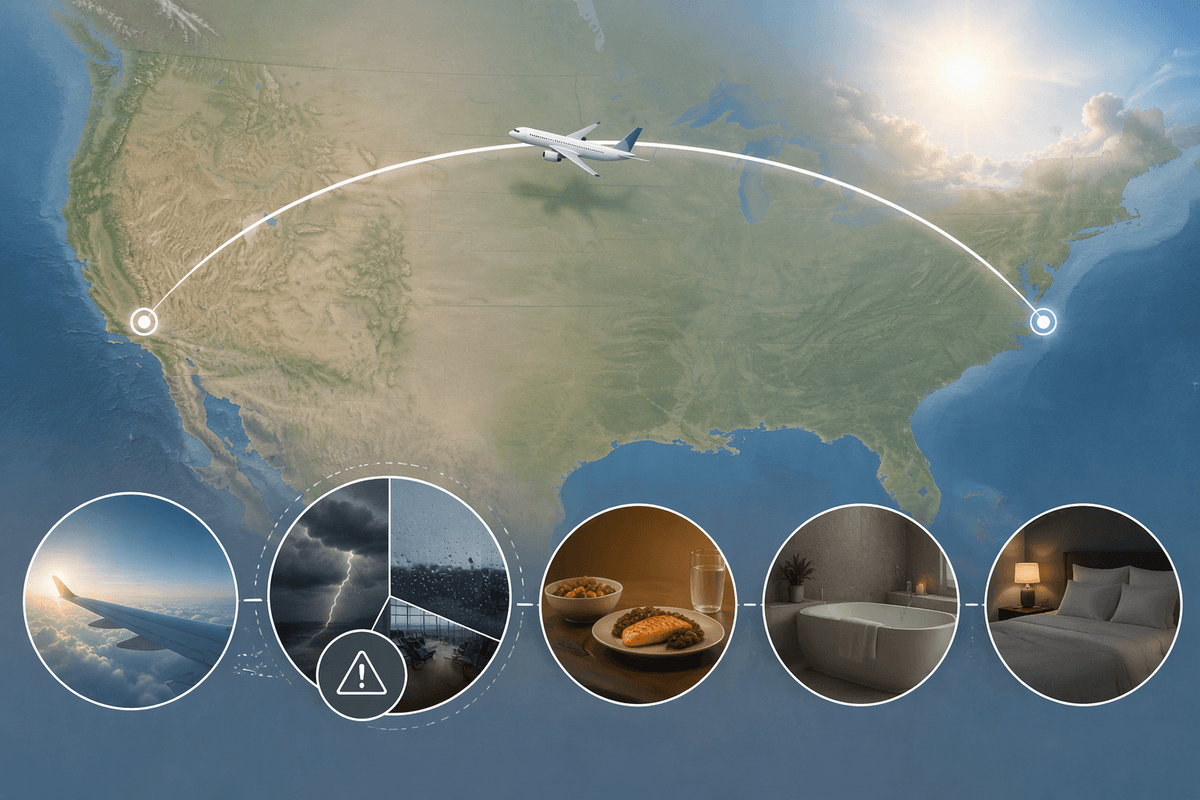
The coast-to-coast jump is where a “luxury” itinerary can quietly turn punitive. The temptation is the overnight flight to save a day, but a red-eye followed by LA traffic and a dinner reservation is a classic mismatch—your body lands in the wrong time zone and your schedule pretends it didn’t. A daytime flight costs you a calendar square, yet it often buys you a better first night on the ground: earlier sleep, fewer cancellations, and less money wasted on a table you’re too tired to enjoy.
I plan this transition as a reset, not a transfer. Aim to arrive with only one non-negotiable: an easy room-service dinner, a bath, and a hard stop. If you’re leaving from Charleston or New England, the extra connection risk is real—weather and tight layovers can ripple through the whole West Coast half—so I’ll pay for the cleaner routing even when it feels inefficient on paper. The goal is simple: land, exhale, and start the next coast like it’s a new trip.
West Coast glamour: LA, Malibu, Beverly Hills
My first LA mistake is always the same: I look at a map, see “Malibu” and “Beverly Hills,” and assume they’re neighboring moods. In practice, they’re neighboring only in the way two dinner reservations can be “close” and still require a traffic buffer that turns your afternoon into a logistics exercise. If you want glamour without the grind, pick a home base with intent—Beverly Hills if shopping, dining, and hotel life are the point; Malibu if you’re optimizing for ocean air and slower mornings.
Beverly Hills works unusually well when you treat the hotel as your anchor: wake up late, do a short car hop for a long lunch, then reset before dinner. What doesn’t work is stacking “quick” stops across the Westside; the constant in-and-out of the car is where LA stops feeling premium. Malibu is the better counterbalance, but the trade-off is limited late-night energy—after a beach day, you may not want the effort of a serious dinner back in town.
If you have only two or three nights, I’d rather see you commit to one zone and upgrade the experience—driver on call for a single high-friction day, one headline restaurant, and one unscheduled window—than spend your best hours staring at taillights trying to collect neighborhoods.
West Coast retreats: Napa, Big Sur, SF
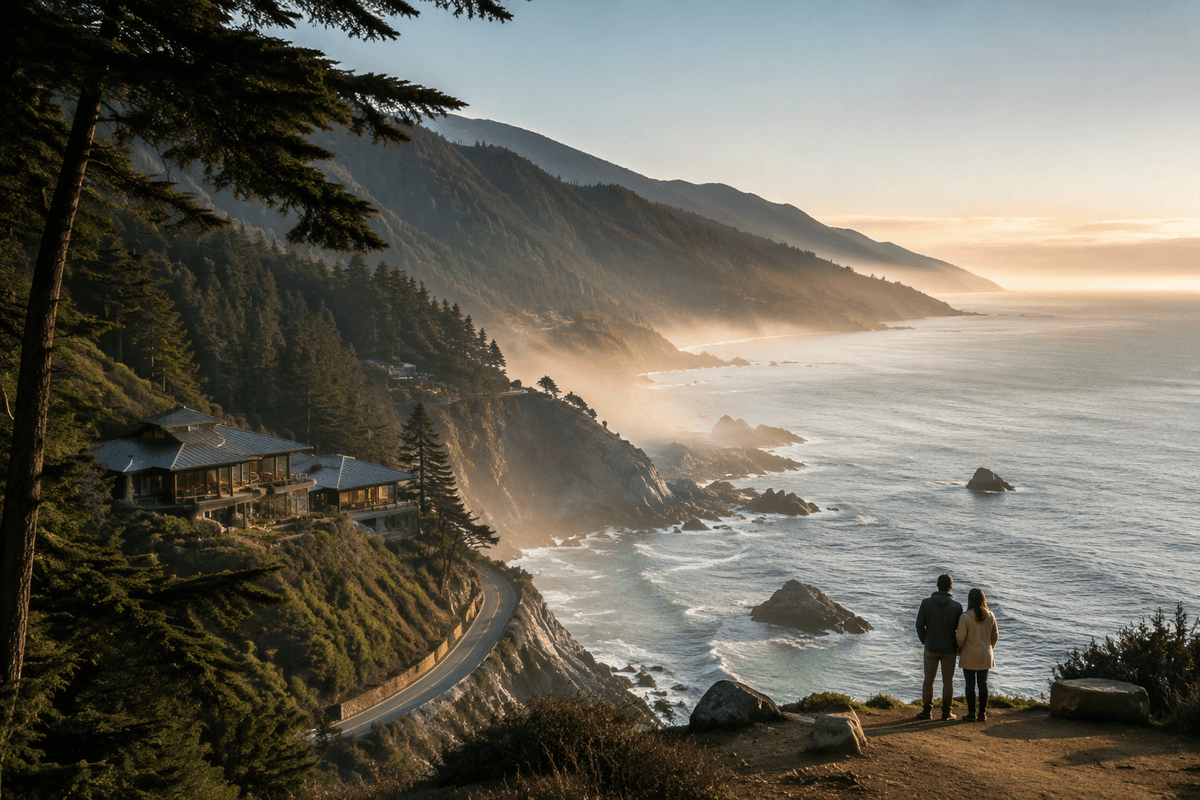
The pivot after LA is deciding whether your “reset” is wine-country ease, coastal drama, or a city that feels walkable again. Napa rewards couples who like polish and predictability—tastings on a clock, reservations that actually matter, and the ability to build a full day without driving far. The spontaneity is expensive: last-minute appointments and top tables vanish fast, and traffic on peak weekends can turn a simple hop between wineries into a slow crawl.
Big Sur is the opposite: fewer boxes to tick, more mood. It works best when you accept the constraint—one spectacular property, long breakfasts, a hike if the weather cooperates, and then you’re done. What doesn’t work is trying to “see Big Sur” as a day trip with a tight timeline; Highway 1 is stunning, but it’s also narrow, slow, and occasionally compromised by closures, which can force reroutes and kill the romance.
San Francisco is the clean re-entry point: great dining density, shorter transfers, and an easier rhythm if you’re tired of car life. I’d choose SF when you want a final stretch of excellent meals and neighborhoods over another scenic drive—and keep one fog-friendly afternoon flexible so the city doesn’t win the scheduling battle.
Closing: pacing, splurges, and what to skip
The last planning question I ask is the least romantic: where does the trip start to feel like work? For most couples, that moment arrives right after the second or third “quick transfer” you penciled in to prove you saw everything. If you’re doing 10–14 days, the cleanest pacing is still two anchors and one reset—anything beyond that needs a very specific reason (a can’t-miss hotel, a seasonal event, a meal you’ve planned around), not just a vague sense you “should” add it.
Splurge where friction is highest: the room (sleep fixes everything), the driver on your most traffic-prone day, and one truly peak reservation per coast. What I’d skip is the expensive middle—extra cities that buy you bragging rights but cost you the best hours, and “famous” experiences that require rigid timing right after a flight. The practical takeaway: leave one afternoon unscheduled on each coast, and you’ll feel like you upgraded the whole trip without adding a single line item.