You pay rent on time, but lenders can’t see it
The month you’re trying to look “credit-ready” is usually the month your budget feels least flexible. Rent clears, you keep the receipts, and your bank statement shows a clean pattern—yet your credit score barely moves. Then a lender pulls your file for a car loan or a new card and treats your rent history like it never happened. That gap is where rent reporting starts to sound appealing, especially if you’re close to an application date and need every point you can realistically earn without taking on new debt.
The friction is that rent doesn’t automatically feed into the credit bureaus the way most loans and credit cards do. Unless your landlord or property manager already reports (many don’t), your on-time payments remain “off file,” even though they’re your biggest monthly obligation. That’s why two renters with identical payment habits can show very different credit profiles—one has tradelines lenders recognize, the other has a steady expense with no standard reporting path.
First move: confirm rent isn’t already reporting
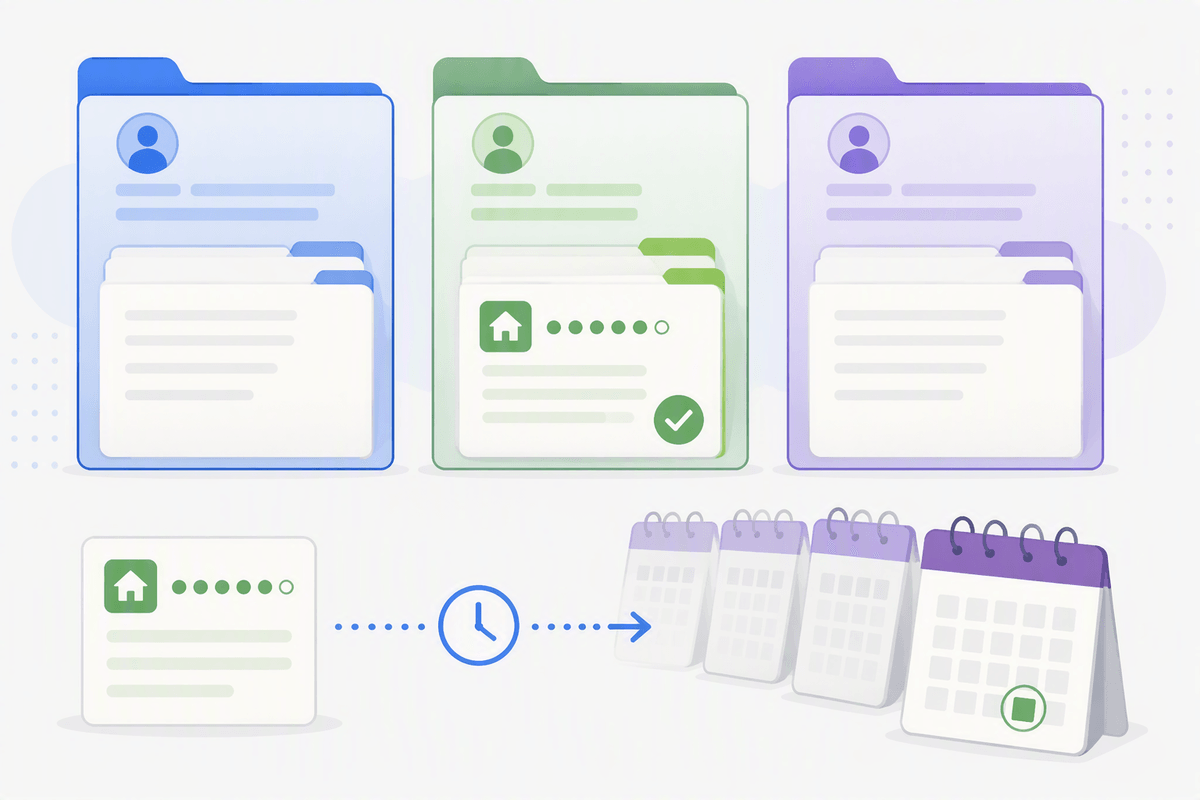
Before paying anyone to “add” your rent to your credit file, it’s worth checking whether it’s already landing somewhere. Some large property managers report through specialty programs, and sometimes the reporting shows up under a vendor name you don’t immediately recognize. The catch is timing: even when rent is reported, it may only hit one bureau, or it may post weeks after the due date—right when you’re trying to line up a loan application.
Pull your actual credit reports (not just a score view) and search for anything that looks like a rental tradeline or “residential lease.” If you see it, note which bureau has it, whether the payment history is consistent, and whether it’s coded as open/closed. That detail matters because paying for a second reporting service can be redundant, and duplicate lines sometimes create disputes that burn calendar time.
If nothing shows, save screenshots or PDFs of the “no rent reporting” baseline. You’ll want proof of what changed later, especially if you’re paying a monthly fee and expecting results by a specific application date.
Clarify your goal before you pay for reporting
The temptation is to treat rent reporting like a quick score boost, but the payoff depends on what you’re trying to accomplish and how soon. If you’re applying for an auto loan in the next 30–60 days, the real constraint is bureau update speed: some services take a full billing cycle (or more) before anything appears, and some lenders will only pull one or two bureaus. Paying a setup fee won’t help if the tradeline lands after your application window or on a bureau your lender doesn’t use.
Get specific about the “win” you need. If your file is thin, the goal may be adding a recognizable tradeline with steady on-time history, not chasing a dramatic score jump. If your score is already decent but your debt-to-income is tight, rent reporting won’t fix that—underwriting will still see the rent payment on your bank statements. And if you’ve had a couple late rent months in the last year, you may decide the downside risk of reporting is bigger than the upside.
Choose a reporting route that fits your situation
Once you’re clear on timing and what “success” would look like, the next constraint is simply access: who can verify your rent in a way the bureaus will accept. If you rent from a big property manager, the lowest-friction route is often whatever portal you already use—some platforms have a built-in option to report to one or more bureaus for a monthly fee. It’s not always the cheapest, but it tends to be smoother because the payment data is already in their system, and you’re not trying to convince a landlord to sign up for something new.
If you rent from a small landlord or pay by check/Zelle, a third-party rent-reporting service is usually the practical path. This is where trade-offs show up: some services verify through your bank transactions, others require landlord verification, and coverage can vary by bureau. Costs also split into an enrollment fee plus a monthly subscription, so a “quick boost” plan can turn into a 6–12 month expense if you need enough reported months to matter.
A credit-builder loan or secured card can still be the better fit when your application date is close and you need predictable reporting. It’s not rent reporting, but it’s a controlled tradeline: you know it will report monthly, to multiple bureaus, and you’re not tying your credit file to whether a rent payment posts late because of a processing hiccup.
Understand the ‘hidden requirements’ before you enroll

Right before you enroll, the fine print starts to matter more than the marketing. Some services only report if rent is paid through a specific channel (their portal, ACH, or a linked bank account), which can force a timing change right when you’re trying to look stable for underwriting. Others can’t verify cash, money orders, or split payments cleanly, so the month you paid half by Zelle and half by check may not count. And “reports to the bureaus” can mean one bureau unless you pay extra, which is a real constraint if your lender pulls a different file.
Look for requirements that affect what actually posts: whether they can back-report prior months (often a separate fee), whether landlord verification is mandatory, and what triggers a “missed” month (returned ACH, late posting, or a grace-period mismatch). If the service reports only after a full billing cycle, a 30–60 day application window can close before anything hits your report.
Protect yourself from errors and negative reporting
The moment you turn rent into a tradeline, a clean bank pattern becomes a data feed that can be wrong. The most common issue isn’t a true missed payment—it’s timing. An ACH pull that posts a day late, a portal that marks “paid” after processing, or a partial payment arrangement can translate into a late marker if the service uses a strict due-date rule. If you’re inside a 30–60 day loan window, that kind of mismatch is expensive because disputes rarely resolve on your timeline.
Before month one, lock down what the service will treat as “on time”: due date vs. grace period, when they capture payment status, and whether they report every month or only successful verifications. Keep receipts that show both the date initiated and the date delivered (confirmation email + bank transaction). If your cash flow is occasionally tight, consider skipping reporting rather than risking a 30-day late that follows you longer than the benefit of a few on-time months.
Once it’s active, check your actual bureau reports, not just the service dashboard. Look for duplicated tradelines, wrong balances, or a “closed” status after you move. Catching errors early is the difference between a quick correction and a dragged-out dispute while an underwriter is waiting.
Track results, then recalibrate your credit plan
Once the tradeline is supposed to be live, the constraint becomes patience plus proof. Give it 30–60 days, then pull fresh reports from all three bureaus and confirm the line is present, current, and updating monthly. If it only hit one bureau, that’s not “wrong,” but it changes your application timing if your lender pulls a different file. Compare the reported payment dates to your receipts and bank postings, and dispute quickly if the month shows as missing or late.
If the reporting is clean but your score barely moves, treat that as signal: you may be bumping into utilization, old negatives, or a thin file. At that point, the next dollars often work harder on paying down revolving balances before statement close, adding a secured card, or postponing the application date—not on another rent add-on fee.