Why Italy feels overwhelming to plan
The first time I tried to map Italy, my browser had ten tabs open and none of them agreed: “Rome in two days,” “Florence is essential,” “add the Amalfi Coast,” “don’t skip Venice.” The problem isn’t a lack of options—it’s that the “must-sees” don’t naturally fit into 10–14 days without turning your trip into a transit experiment.
Italy also punishes vague planning. Trains are fast between major cities, but the time you lose to station transfers, checking in, and late arrivals quietly eats afternoons. Add timed museum entries, limited restaurant reservations, and seasonal crowd spikes, and you’re suddenly choosing between seeing one more headline sight or having enough downtime to actually enjoy the place you’re in. The overwhelm is real—but it’s mostly a routing and prioritization problem, not a research problem.
Choose your travel style: art, food, coast, nature
I’ve learned the fastest way to calm the Italy spreadsheet is to pick a “main course” for the trip—because trying to do art cities, coast, and countryside all at once is how you end up seeing Italy through train windows. For a first visit with 10–14 days, choose one dominant style and let everything else become a day trip or a single add-on stop.
If you’re here for art and iconic architecture, cluster Rome–Florence (and optionally Venice) and accept the trade-off: timed tickets, early alarms, and peak-season crowds that can make a museum feel like a commuter train. If your priorities are food and slower evenings, you’ll be happier building around one base (Florence, Bologna, or Rome) and spending your “extra” days in smaller towns—less headline sightseeing, more meals that don’t require reservations three weeks out.
Coastal time is the most seductive and the most logistically fussy: beaches and cliff towns reward staying put, but connections can be slow and weather can flip the mood fast outside summer. Nature (lakes or the Dolomites) buys you quiet and recovery, but it can cost you time if you tack it onto a city-heavy route. Pick one: crowds, coast logistics, or mountain transit—and plan around that constraint.
Iconic cities worth the crowds
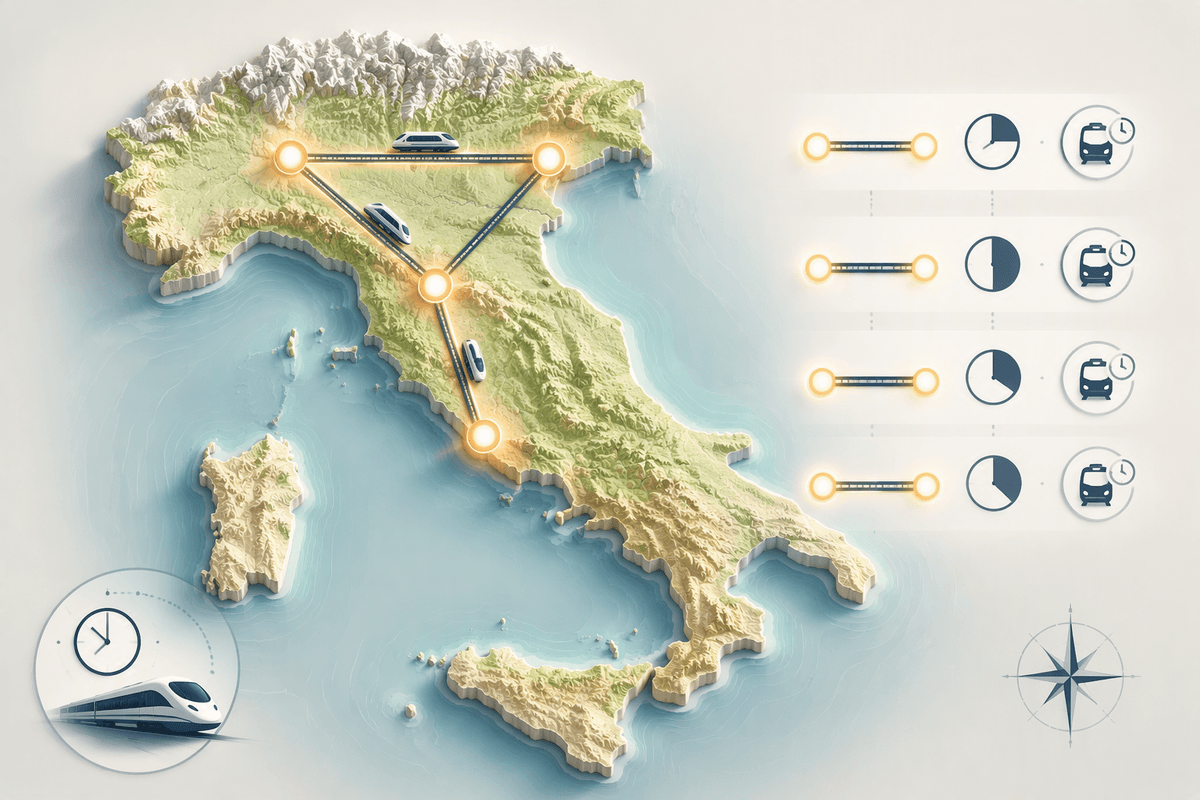
The first hard decision is admitting you can’t “collect” Italy’s big cities without paying for it in fatigue. Rome and Florence are the two that reliably earn their crowds on a first trip: Rome for sheer scale (ancient layers plus neighborhoods you can wander for free), Florence because the art is concentrated enough to feel rewarding even in a short stay. The catch is that both work best with pre-booked, timed entries—if you show up hoping to wing the Colosseum or the Uffizi in peak season, you’ll burn the best hours in lines and heat.
Venice is the classic add-on that looks close on a map but behaves like its own little mission. It’s easiest as a 1–2 night stop (not a day trip) so you can see it early or late, when the lanes calm down and the price of being there finally feels justified. Milan can be a smart alternative if flights or rail connections force it—efficient, less “storybook,” and better for breaking up long hops—but it won’t scratch the same first-time Italy itch. If you only do two cities, go deeper; if you do three, keep the train days to a minimum.
Coastal Italy: cliffs, beaches, islands
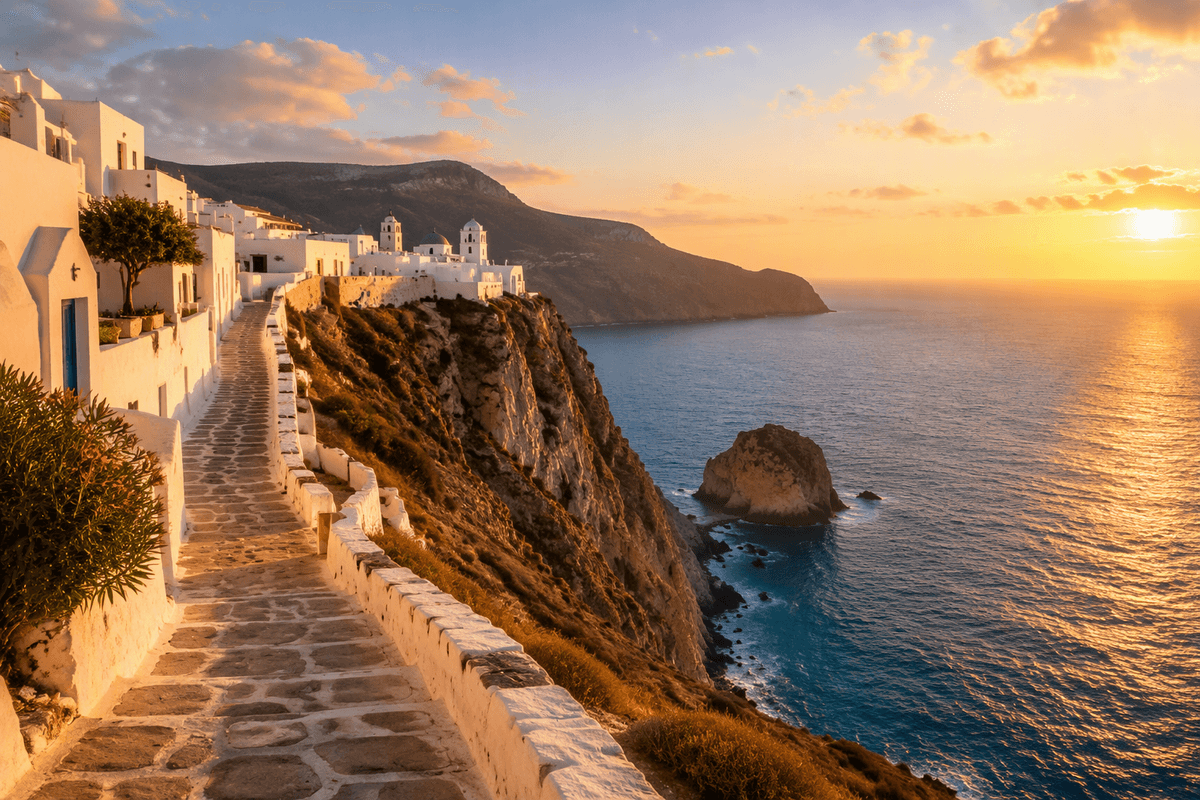
The coast is where itineraries go to die a slow, beautiful death—usually the moment you realize that “just popping over to the Amalfi Coast” involves buses, traffic, and stairs, not a clean train hop. If you only have 10–14 days, treat coastal time like a mini-trip inside the trip: fewer bases, more nights in one place, and zero expectation of ticking off every postcard town.
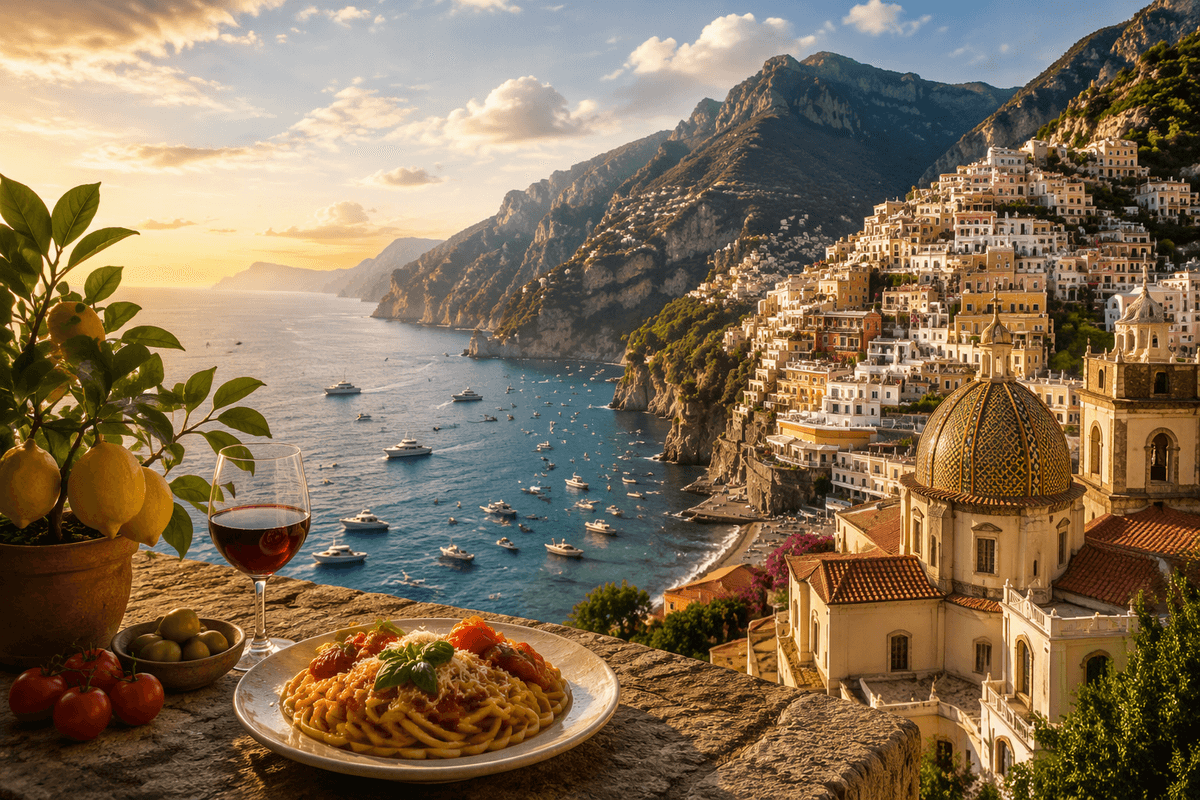
For cliffs-and-views, you’re usually choosing between the Amalfi Coast and Cinque Terre. Amalfi rewards a 2–3 night stay (Sorrento is a practical base if you want easier rail access), but it’s vulnerable to road chaos and boat schedules—great when it works, punishing when it doesn’t. Cinque Terre is simpler by train and doable from La Spezia, but in peak summer the “hike between villages” fantasy can turn into a crowded, sunbaked shuffle.
If you want beaches over drama, Puglia often feels calmer for the money, while islands (Sicily or Sardinia) demand commitment: a flight or long ferry plus a car if you want more than one coastline. The trade-off is clear—more travel to get there, less daily friction once you stop moving.
Northern lakes and Dolomites escapes
I hit the first real planning snag here: the lakes and the Dolomites look like they’re “up north, so close enough,” but they don’t behave like a quick add-on to a Rome–Florence–Venice loop. The lakes (Como, Garda, Maggiore) are the easier recovery option—shorter transfers, more frequent trains, and you can get a lot of payoff from a single base. The prettiest lake towns can feel like open-air lobbies in summer, and you’ll pay for the convenience in hotels and ferry tickets.
The Dolomites are quieter and more physical, which is exactly why they can save a trip that’s been all museums and stations—if you commit. Once you leave the fast-rail spine, you’re dealing with buses, limited schedules, and weather that can erase your “one big hike” plan with an afternoon storm. If you only have 10–14 days, I’d treat this as a 2–4 night block, not a checkbox: pick one valley or hub, accept you won’t see it all, and let the mountains be the part of Italy where your itinerary finally stops rushing you.
Small towns and countryside classics
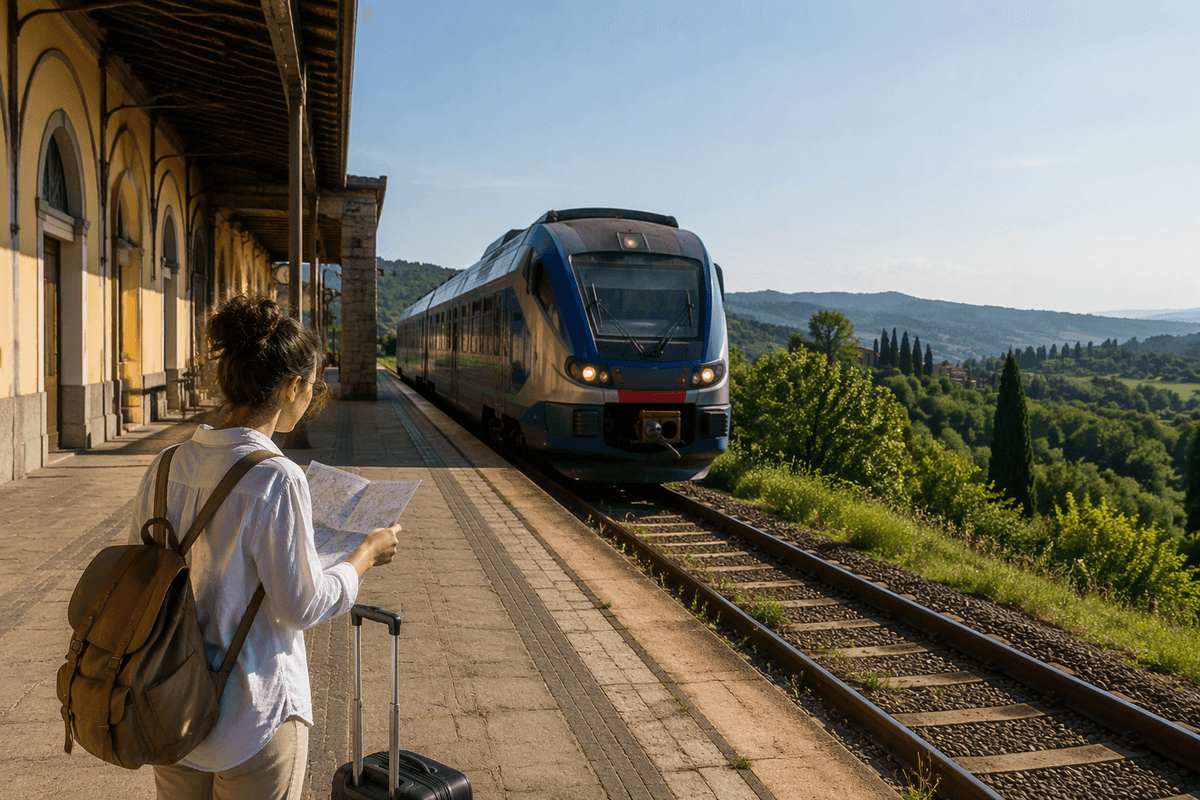
I usually reach the “too many trains” point right after booking the big-city legs—when every tempting town (San Gimignano, Siena, Montepulciano, Orvieto) starts looking like a quick add-on. This is where countryside Italy can either rescue your trip or quietly wreck it. The win is obvious: slower dinners, cheaper aperitivi, and mornings that don’t start with timed entry slots. The catch is that small towns reward staying put, and they punish constant moving—especially if you’re relying on buses that run less often than you assume.
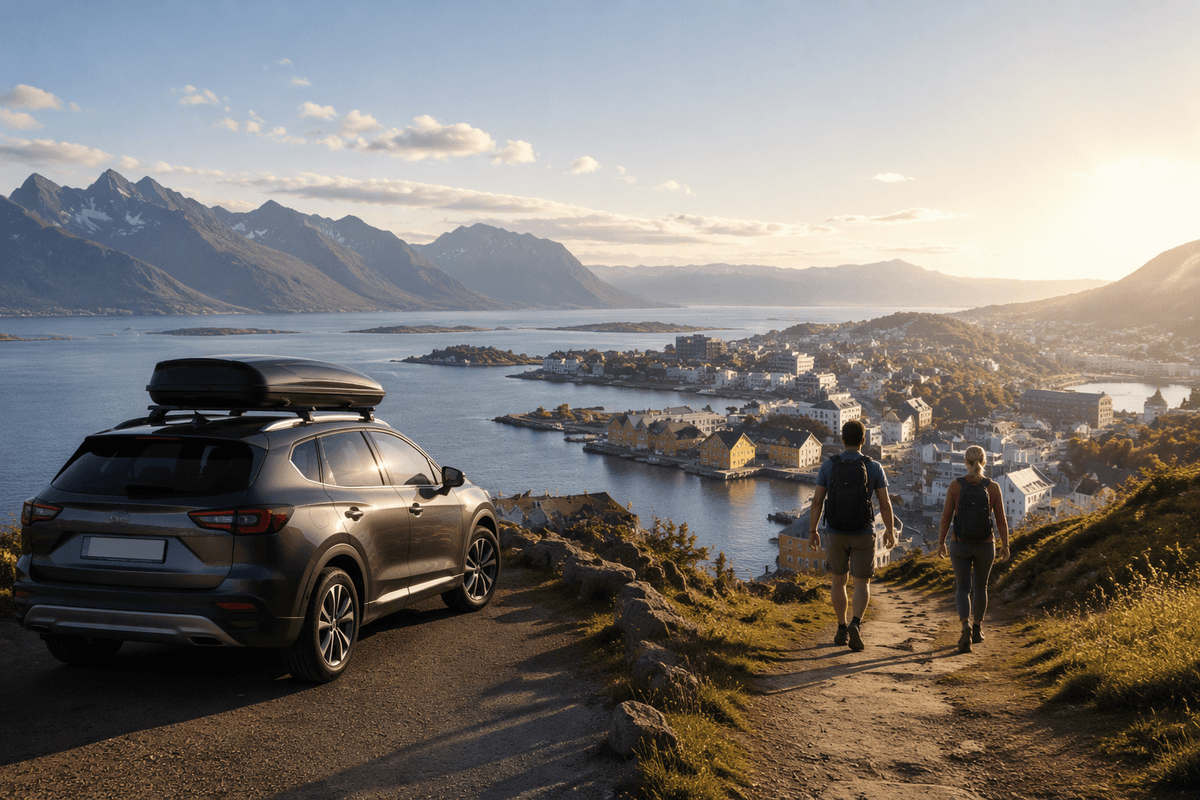
Tuscany is the classic choice, but it’s not automatically the easiest unless you plan around the constraint: transit. Without a car, pick one rail-friendly base (Florence works, but so does Siena if you commit) and do 1–2 day trips, not four. With a car, you buy freedom—and pay for it in ZTL zones, parking stress, and the reality that “scenic drives” still take time. Umbria is the quieter cousin (think Assisi/Spello/Perugia), often better value and less saturated, but you’ll trade convenience for calm.
If you’re trying to keep a 10–14 day route realistic, the clean move is one countryside block—2 or 3 nights—between major cities. It’s the difference between sampling Italy and actually living in it for a minute.
Putting it together without regret
The moment it finally clicks is when you stop designing an “Italy” trip and start designing your 10–14 days. If you’re staring at four bases and two half-day transfers, cut one. You won’t miss it as much as you’ll resent the constant repacking—especially once you factor in the hidden costs of moving: late check-ins, station schleps, and the way a “fast” train still steals the middle of the day.
A clean, low-regret structure is two anchor cities plus one contrast block. Think Rome + Florence, then either 2–3 nights on the coast (accepting buses/boats and weather dependence) or 2–4 nights in the lakes/Dolomites (accepting slower connections but real recovery). If you want three cities, keep them on the same rail spine (Rome–Florence–Venice) and make countryside your buffer in the middle, not an extra detour.
The practical takeaway: cap yourself at three hotel bases in 10 days (four in 14), pre-book your one or two “can’t miss” timed sights, and leave at least one unscheduled half-day per stop. That’s usually where Italy stops feeling like a checklist and starts feeling like a place.