Set expectations: darkness, latitude, weather uncertainty
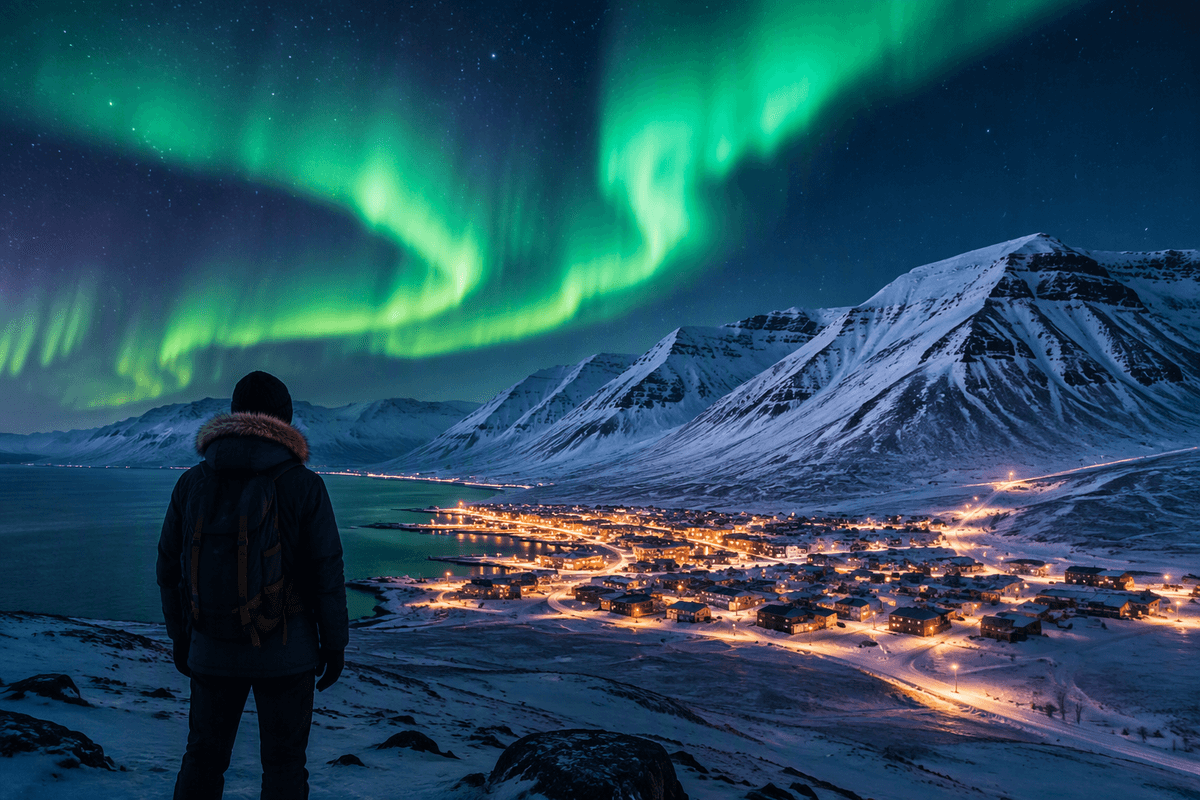
The first friction point isn’t picking Tromsø versus Lofoten—it’s admitting you’re planning a light show in a place where winter is mostly dark and the sky doesn’t owe you clarity. Above the Arctic Circle, “daylight” becomes a moving target, and in the core winter weeks you’ll often be operating in a long twilight instead of a bright afternoon. That’s great for aurora odds on paper, but it also means tours, driving, and even your energy levels tend to compress into a shorter usable window.
Latitude helps, but it doesn’t cancel weather. The coast (Tromsø and especially Lofoten) can be milder and more scenic, yet also cloudier and windier—exactly the combo that can erase the forecast you built your trip around. Inland (think Alta or even just getting away from the immediate coastline) is often colder but can buy you clearer breaks. The practical trade-off for a 5–10 day trip is this: lock in flights and a base early enough to avoid peak pricing, but keep your nightly aurora plan flexible—able to pivot by car or tour van to wherever the sky opens up, and ready with “cloud-proof” daytime plans so a bad forecast doesn’t waste a full PTO day.
Autumn (Sep–Oct): Must Tromsø; Opt Lofoten; Skip south
I’ve had the “should we wait for deeper winter?” hesitation right at the booking screen—then remembered how much easier September and October are on a first trip. Tromsø is the cleanest choice in this window because the city is running, roads are comparatively forgiving, and you can still stack your nights with guided aurora chases without feeling like you’re living entirely in survival mode. You’ll have more of it than in midwinter, which is nice for pacing and sightseeing, but it trims your “prime” aurora hours and can make a weak display feel underwhelming.
Lofoten is optional in autumn, not because it’s not beautiful, but because it’s the first place where the coast can start disrupting your schedule. Wind and fast-moving cloud can turn a carefully planned two-night aurora stay into a long game of “maybe later.” If you do add it, treat it as a scenic side-quest with flexible expectations—build in an extra night, or be ready to pivot back toward Tromsø if the forecast stays sealed.
What I’d skip in Sep–Oct is going farther south hoping to “hedge.” You spend PTO on transit and get less darkness per night, without actually buying more reliable skies. For a tight 5–10 days, north-first wins.
Early winter (Nov–Dec): Must Tromsø; Opt Alta; Skip fjords
November is when the trip starts to feel “real” in the best and worst ways: you step outside in Tromsø and realize the day is more like a long dim interval than a sightseeing window. That actually works well for aurora logistics—more darkness means you’re not waiting until midnight to start—but it also means you’ll want a daytime plan that doesn’t rely on big views. Museums, cafés, and a sauna or two are not consolation prizes here; they’re how you stay functional when the sky stays sealed.
Tromsø is still the must-base in Nov–Dec because tours are running at full strength and the city absorbs bad weather better than smaller places. The limitation is coastal volatility: wind plus low cloud can erase your “perfect” forecast in a few hours. This is where paying for a proper aurora chase (not just a stationary camp) is worth it—mobility is the product.
Alta is the optional upgrade if you’re optimizing for clearer inland breaks and you can tolerate colder temps and one more travel leg. What I’d skip in early winter is committing to fjord- or coastal-scenery routing as the backbone of your trip—short light, storms, and road closures can turn a scenic plan into a schedule you spend apologizing for.
Deep winter (Jan–Feb): Must clear inland; Opt cruises; Skip storms
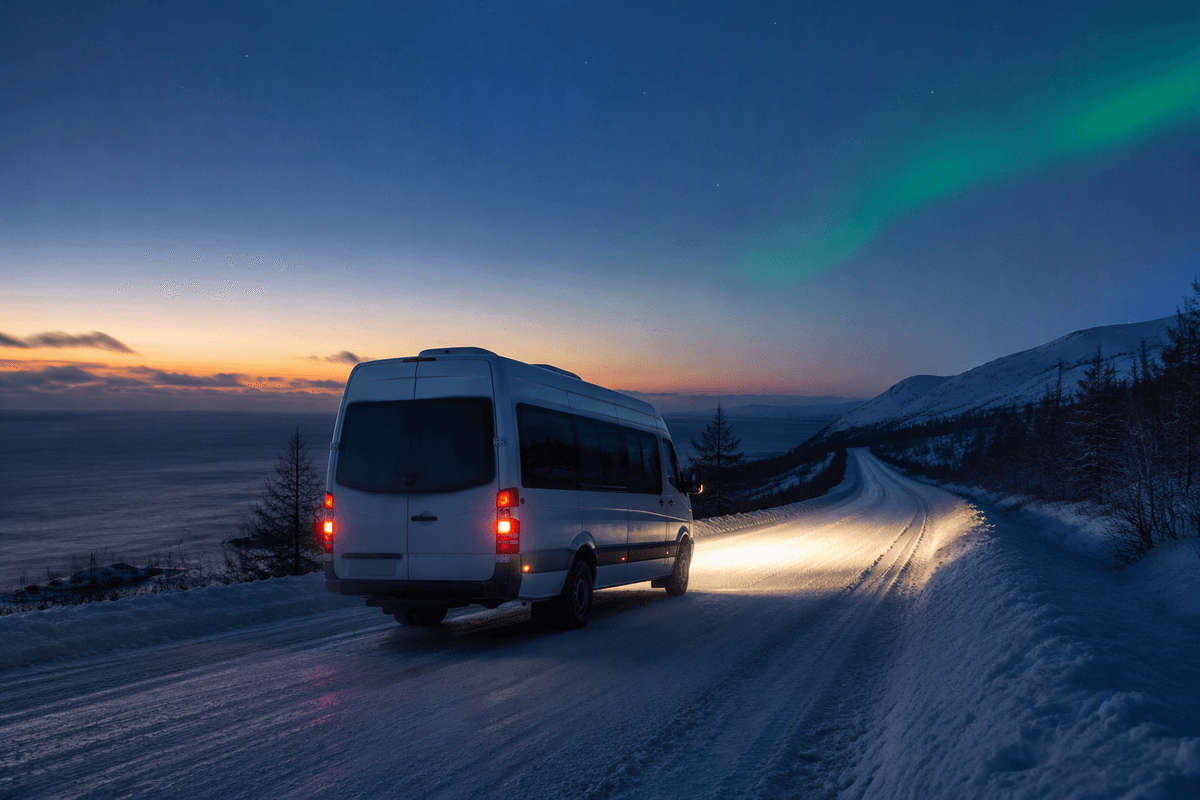
The first time I tried to “out-winter” the forecast in January, I learned the hard way that more darkness doesn’t automatically mean more aurora—because a coastal storm can wipe out every extra hour you thought you bought. In Jan–Feb, your decision-making gets simpler: if this is a first trip and you want the highest number of usable nights, prioritize a base that can escape cloud quickly. That usually means building your week around clear inland reach—either by choosing Alta outright, or by committing (in Tromsø) to chases that regularly push away from the immediate coast. The trade-off is comfort: colder air and longer drives, but more chances at an actual open sky.
February is often the more forgiving pick within “deep winter” because you still get long dark windows, but you’re less boxed in by pure midwinter fatigue. If you’re tempted by a cruise, treat it as an optional convenience, not a guaranteed aurora solution: it can reduce hotel-hopping and give you a different kind of downtime, but it also can’t drive inland when the sea weather turns. What I’d skip in Jan–Feb is any plan that depends on perfect road conditions—stringing Tromsø to Lofoten on a tight schedule, or scheduling a single “must-see” night. Deep winter rewards flexibility; it punishes rigidity.
Late winter/spring (Mar): Must longer days; Opt Lyngen; Skip rush
March is where the trip starts feeling less like endurance and more like travel: you get longer, brighter days for getting around, but you still keep real darkness at night. In practice, that means fewer “wasted” PTO hours—your transfer day to Tromsø doesn’t have to be a headlamp-only shuffle, and you can actually plan a daytime activity without it eating your recovery for the evening chase. The darker window is shorter than Jan–Feb, so you want your aurora plan to be efficient (early dinner, gear ready, no long “maybe later” delays).
If you’ve already got Tromsø as a base, Lyngen is the optional add-on that can work well in March: it’s close enough to pivot without turning your week into transit, and the scenery payoff is huge when the weather cooperates. What doesn’t work is treating it like a strict schedule item—ferries, wind, and last-minute road friction can make a one-night “dash” feel tight. I’d skip the rushy, multi-base circuit this month; March rewards a calmer split (or one strong base) and a couple of flexible night decisions based on the cloud map.
Summer (Apr–Aug): Must midnight sun; Opt hikes; Skip aurora
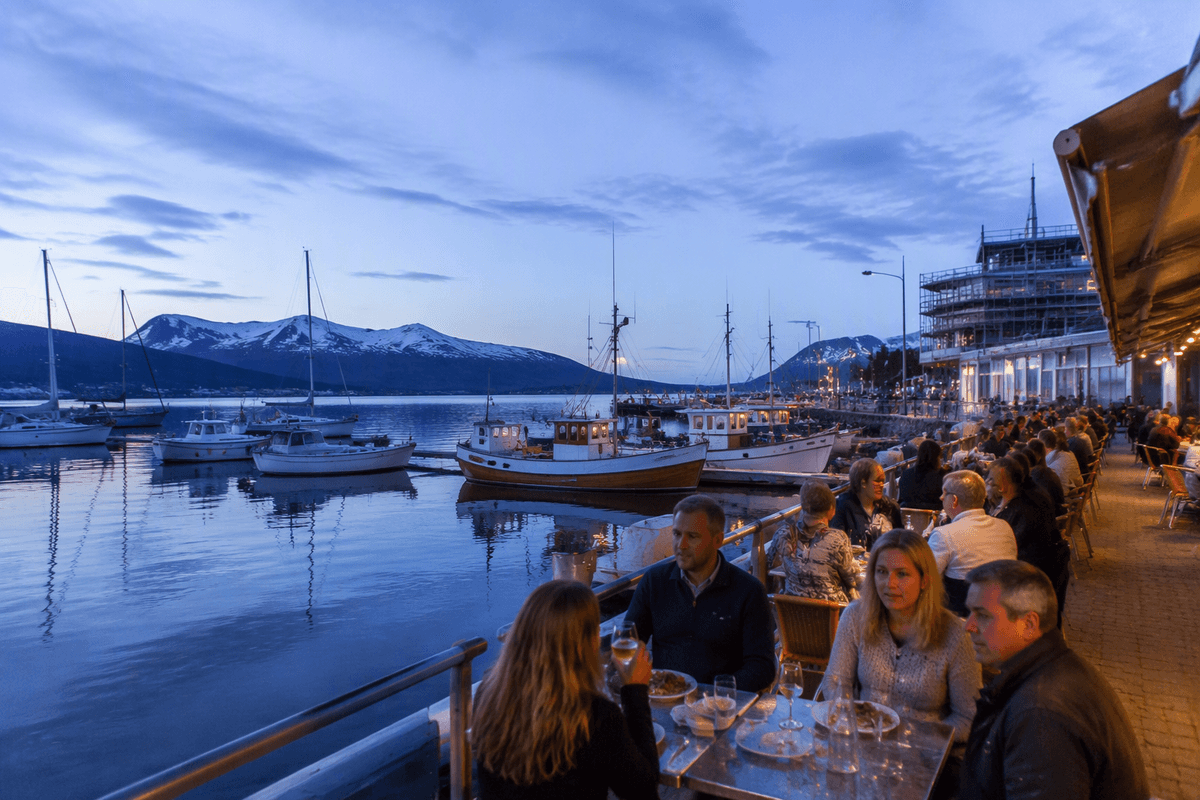
The first time I priced a July flight into Tromsø, I caught myself doing the aurora math out of habit—then remembered the obvious constraint: you can’t hunt lights in a sky that doesn’t get dark. From late spring into summer, the “best” Arctic experience flips. Your must-do becomes leaning into the midnight sun window (especially June–July) and planning days like you would anywhere else: longer hikes, later dinners, and no anxiety about racing daylight.
Tromsø still works as a base because it’s easy to move around without winter-road risk, and tours pivot to whales (early/late shoulder) and fjords, not aurora. Lofoten becomes the optional upgrade in this season for hikers and photographers—when it works, it’s effortless: dry trails, long golden hours, and you can justify the extra driving because you’re not protecting a nightly chase window. The summer lodging can force your hand into less-than-ideal locations unless you book early.
What I’d skip Apr–Aug is any plan built around aurora “just in case.” Treat this as a different trip: choose it for comfort and scenery certainty, not darkness.
Wrap-up: choose season by comfort vs certainty
I end up making this decision the same way every time: not by chasing the “best” aurora month, but by choosing what kind of discomfort I’m willing to absorb for a 5–10 day trip on limited PTO. If you want the easiest first win, Sep–Oct in Tromsø is the most forgiving blend of functional roads, open businesses, and flexible touring—just accept that a modest display can feel smaller with more daylight around it. If your priority is stacking the highest number of usable dark hours, Nov–Feb buys you time, but it also raises the penalty for bad coastal weather; that’s when an inland bias (Alta, or inland-leaning chases from Tromsø) stops being “nice” and starts being the whole strategy.
March is the compromise I recommend most often: still real aurora nights, but enough daylight to keep transfers and daytime plans from draining you before the evening. If you’re booking early, lock flights and your primary base first, then protect flexibility where it matters—choose refundable lodging when you can, avoid one-night “must” hops, and budget for at least a couple of mobile chase nights so clouds don’t decide your whole trip. The practical takeaway: pick the season your body can handle, then build the plan like the sky won’t cooperate—so you’re relieved when it does.