Why Svalbard feels like true Arctic travel
The first real decision in Svalbard isn’t which tour to book—it’s whether you’re comfortable with a place that won’t negotiate with your schedule. Flights can slip on weather, boats stop when the sea says no, and even a simple walk outside Longyearbyen turns into a rules-and-risks conversation, not a “quick stroll.” That’s the point: the Arctic is in charge.
What works well is how fast the landscape asserts itself. Within minutes of town, you’re in a wide, quiet valley under hard light (or none), where “seeing something” often means accepting distance: a glacier line, wind-sculpted snow, the hint of wildlife you’re not meant to chase. Svalbard feels authentic because it’s constrained, and those constraints shape every plan you make.
What the Aurora Express experience includes
The package decision usually hits when you realize how many moving parts get compressed into a 4–7 day window. Aurora Express-style itineraries tend to bundle the “hard” logistics: airport transfers timed to flight banks, a central Longyearbyen hotel, and a pre-built rhythm of evening aurora attempts with daytime excursions slotted around polar night. What works well is the friction reduction—someone else is watching the forecast, calling the guide, and telling you when the pickup shifts.
Where it gets messy is what’s included versus what quietly isn’t. The headline price often covers guiding and scheduled tours, but cold-weather gear can be partial (or sized unpredictably), meals may be limited to breakfasts, and anything that requires extra snowmobile time, specialty transport, or a second aurora night can land as an add-on. If a flight is delayed or an outing is canceled, the “replacement” activity might be a lighter indoor stop, not an equal-value swap. If you’re comparing to DIY, price the buffer: one spare evening for aurora plus the cost of rebooking tours when the Arctic rearranges your plan.
Best season, darkness, and aurora odds
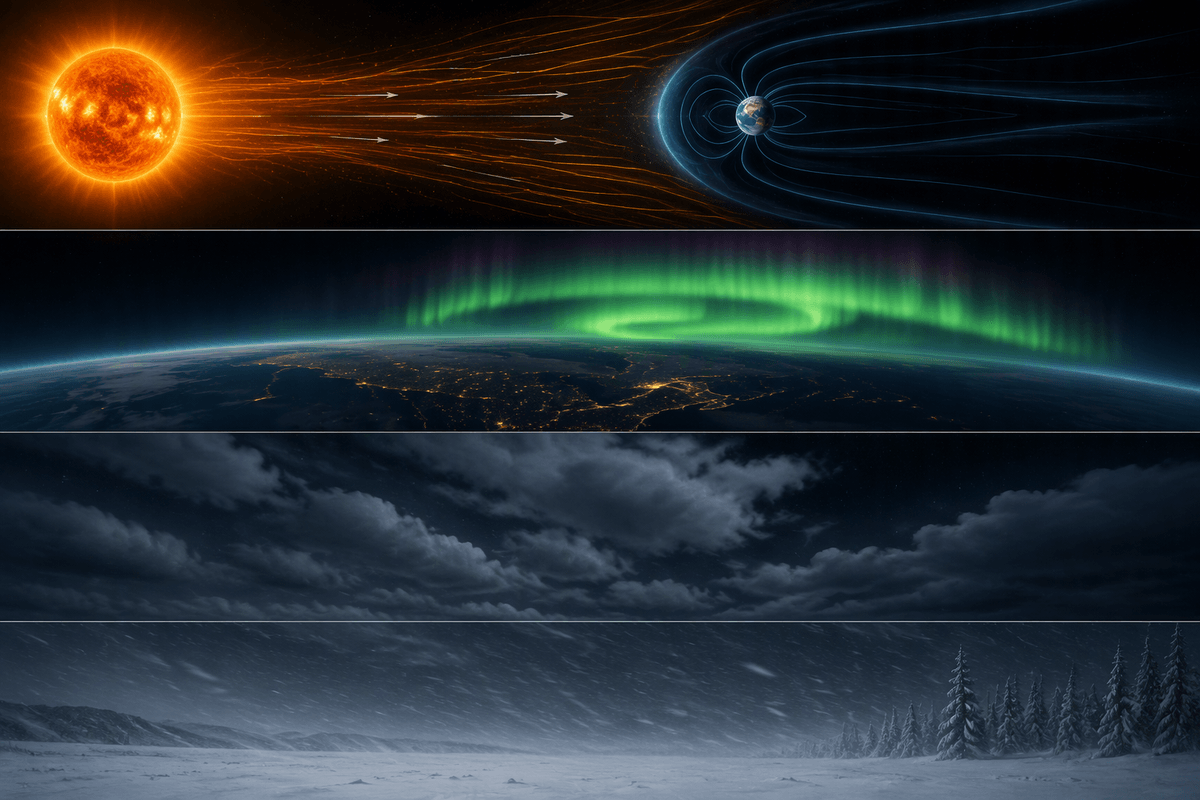
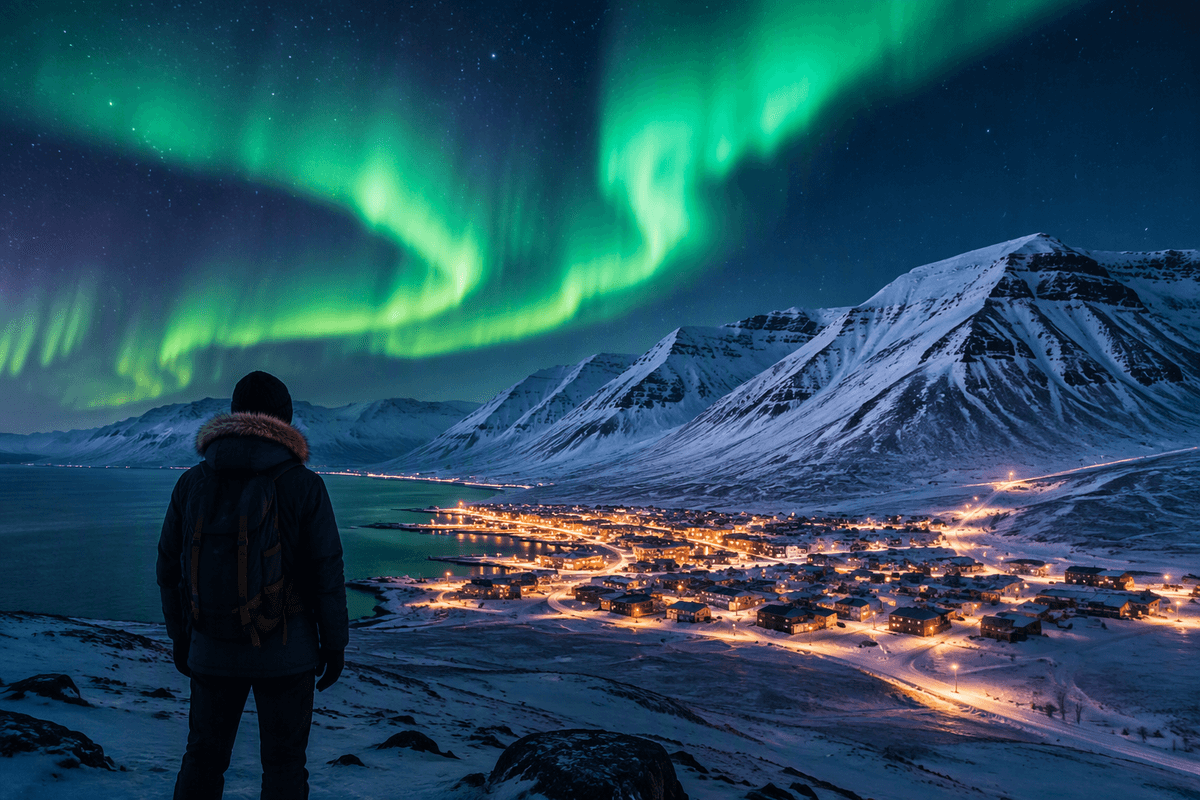
The moment you start penciling in “aurora night” on a calendar, Svalbard pushes back with its bluntest variable: darkness isn’t evenly useful. Peak polar night (roughly late November through January) gives you long viewing windows, but it also compresses your daytime options into headlamp logistics and guided-only boundaries. That works fine if your trip is built around evenings and you’re happy with a couple of strong daytime blocks—ice cave, snowmobile, a dog-sled run—rather than lots of sightseeing.
For odds, think in layers: you need solar activity, clear sky, and a horizon that isn’t being eaten by blowing snow. In practice, cloud cover is the biggest thief, not “low KP.” Packages help here because they can pivot quickly—later pickups, a longer chase, a second attempt if conditions turn. DIY can match it, but only if you’ve left budget and energy for extra nights, and you’re not flying out the morning after your “one chance” evening.
Getting there and staying in Longyearbyen
The first friction point is the flight chain: mainland Norway to Oslo or Tromsø, then the onward leg to Longyearbyen. On paper it’s clean; in winter it’s not. If you’re time-limited, the package’s biggest “hidden” value is that it’s built around the most delay-prone link, with transfers and check-in timing that assume things won’t run perfectly. DIY can be cheaper, but only if you add a buffer day—or accept that a missed connection can erase your best aurora night.
In Longyearbyen, location matters less than you’d think because most evenings start with a pickup, not a stroll. What works well is staying near the main cluster (so you can reset quickly between a daytime tour and a late aurora attempt). What doesn’t: choosing a place that’s “quiet” on the edge, then realizing you’re juggling darkness, wind, and fatigue just to get dinner.
If you’re self-booking, prioritize flexible cancellation and early check-in. Polar night turns “waiting around” into real lost energy.
Packing, safety rules, and guided-trip realities
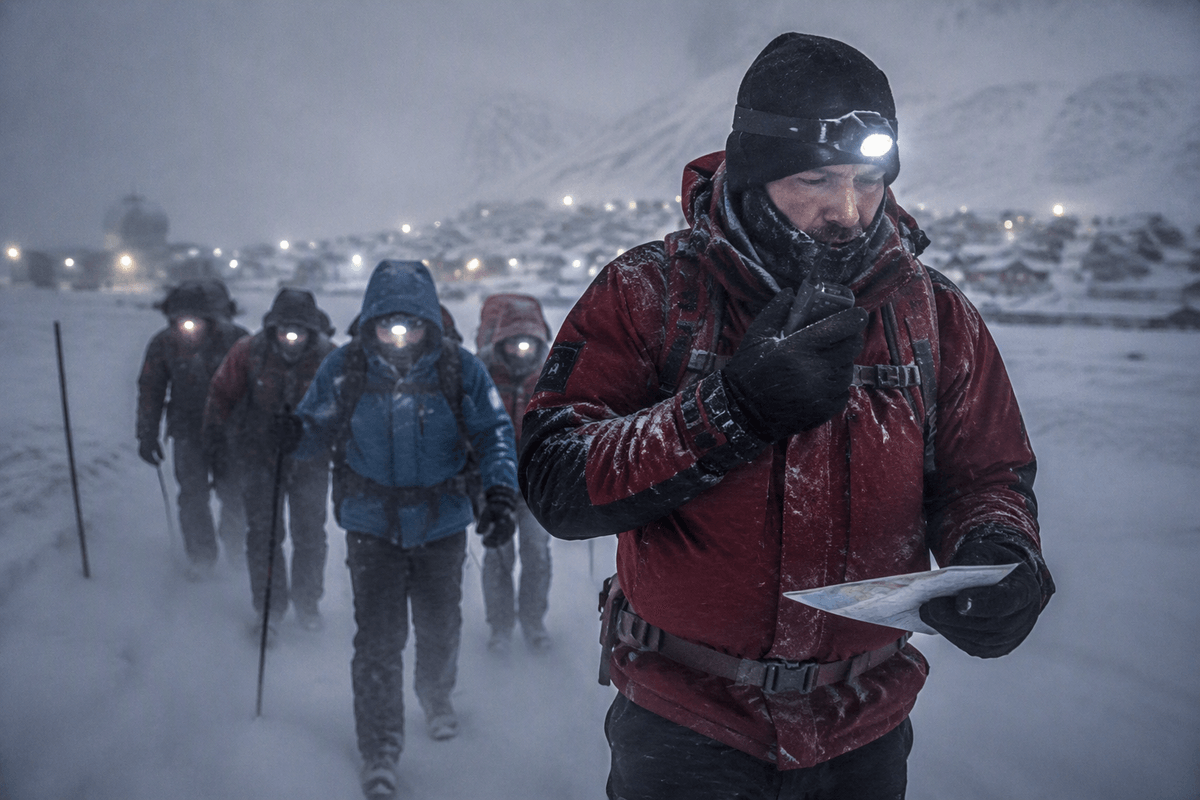
The first time I tried to “just step outside for air,” I hit the Svalbard reality check: you don’t casually wander beyond the settled streets, especially in polar night. Most visitors stay within the town core unless they’re on an organized outing, and that’s where a package earns its keep—your guide isn’t just showing you views, they’re managing risk, routes, and timing when conditions turn.
Packing is less about owning expedition gear and more about avoiding small failures that ruin a short trip. What works well: a thin base layer you can sleep in, a mid-layer you can vent, and a windproof shell that keeps you functional at -15°C with wind. What doesn’t: bulky cotton sweaters, single-purpose “extreme” boots you can’t walk in, or relying on borrowed outerwear that fits oddly (tight cuffs and short sleeves become real problems at midnight on an aurora stop).
Guided-trip reality is that your day can get reshuffled with almost no warning. A snowmobile plan can swap to an indoor history stop if visibility drops; an aurora chase can run long, then you’re paying for a taxi dinner run because everything’s closed. If you’re comparing DIY, pack for flexibility: spare gloves, a headlamp, snacks, and enough margin to say yes to the rescheduled night rather than protecting an overpacked itinerary.
Costs, booking tips, and leaving with perspective
The cost question usually lands when you start adding “just in case” line items: one extra aurora night, a backup tour if weather cancels the first, taxis when you’re too cold to walk, and a proper dinner after a late pickup. The package looks expensive until you price the friction it absorbs—especially if a delayed arrival would otherwise wipe out your best window.
If you book, pay attention to what’s truly bundled: outerwear rental (and whether it’s guaranteed in your size), how many aurora attempts are scheduled versus “optional,” and what happens if an excursion is scrubbed. I’d also avoid flying out the morning after your final aurora night; the fatigue-and-forecast combo makes that a bad gamble.
Leaving, the perspective is simple: you can optimize odds, but you can’t purchase certainty—so buy yourself time, not pressure.