Safari-to-beach: expectations, seasons, pacing tensions
The first real decision hit me before I booked anything: do you want to arrive in Zanzibar already wrung out (and ready to collapse into the ocean), or do you want to gamble on starting “relaxed” and then dragging yourself into 5:30 a.m. game drives? Safari-first usually wins for first-timers because the early mornings, dusty roads, and long drive days compound fast—beach becomes actual recovery, not just another stop.
Season makes that call sharper. In the dry months, wildlife viewing is easier and roads behave, but prices and crowds spike; in the rains, you can save money and see greener landscapes, but you’re trading certainty for mud, slower transfers, and occasional flight/road hiccups. Either way, plan your trip like a battery: put your highest-effort days (Serengeti) up front, then taper into Zanzibar, and leave at least a half-day buffer for the handoff between bush and beach.
Arusha gateway planning and permits
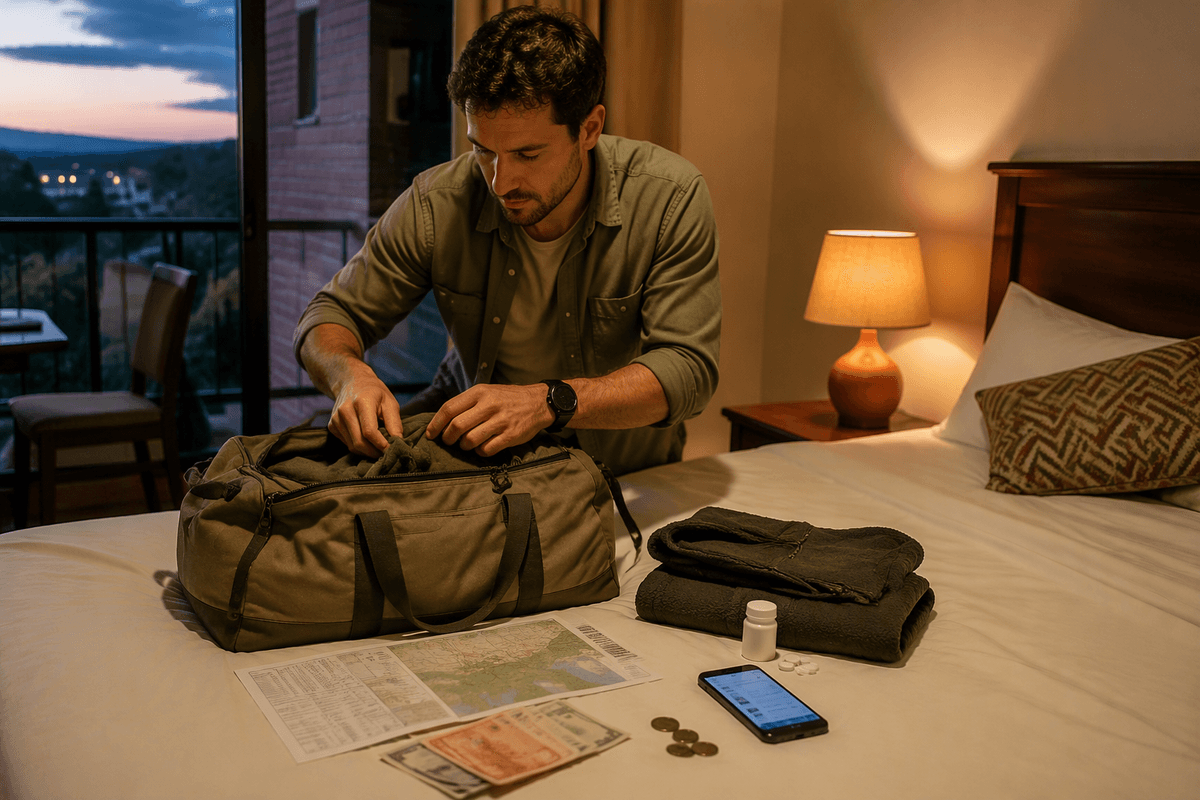
Arusha looks like a quick overnight on the map, but it’s where the trip either tightens up—or quietly bleeds a day. I found it worked best as a logistics pit stop: land, buy the last bits you forgot (cash, a light fleece, motion sickness tabs), confirm your pickup time, and go to bed early. What didn’t work was trying to “see Arusha” and also be functional for a dawn departure; the city traffic and check-in chores eat more time than you think.
This is also where permits and park fees stop being abstract and start dictating pace. If you’re doing Serengeti plus Ngorongoro, make sure your operator is clear on what’s included (concession/camping fees versus park entry) and when they actually pay—delays at gates aren’t dramatic, but they can shave wildlife hours. The practical trade-off: driving from Arusha keeps costs down but adds fatigue and timing risk; flying out of Arusha to an airstrip costs more and comes with tighter baggage limits, but it buys you a full extra game drive day instead of another long road day.
Serengeti wilderness days: drives, camps, rhythms
The Serengeti days settle into a pattern that sounds simple—drive, stop, drive—but feels surprisingly physical. The part that worked best for me was treating the first full day as a calibration day: accept you’ll miss some sightings while you learn how far “one more loop” really is on corrugated tracks. The part that didn’t work was overpromising yourself sunrise-to-sunset game drives; by mid-afternoon, dust and vibration make even great wildlife feel like it’s happening through a fog.
Where you sleep changes the rhythm more than I expected. Public camps keep costs sane and put you close to the action, but they come with real constraints: bucket showers that run cold, occasional generator noise, and the fact that “early” dinner still means you’re in your tent by 9 p.m. Tented lodges buy you better rest (and better charging), but you’re paying for comfort you’ll barely use if you’re out driving all day. My practical takeaway: plan one lighter drive block every two days—time to nap, sort photos, and reset—so you don’t arrive in Zanzibar already depleted.
Ngorongoro stop and Serengeti–Zanzibar transit
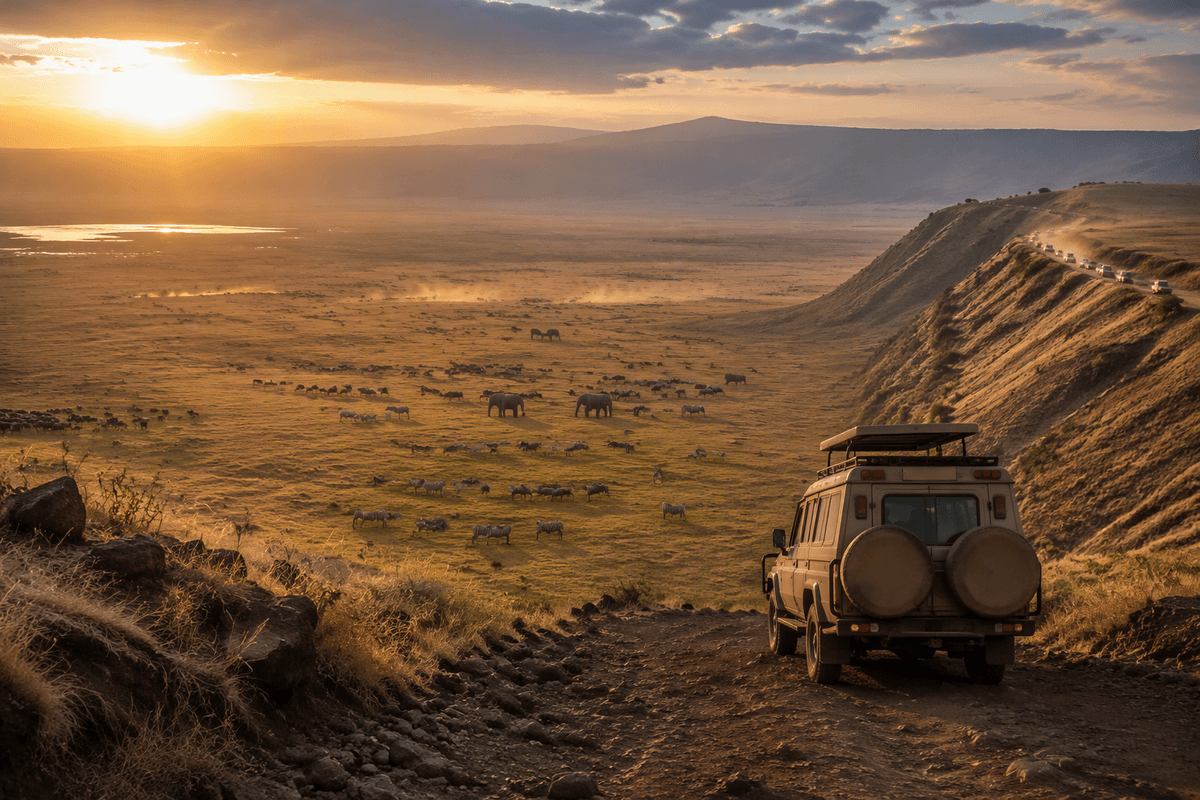
The Ngorongoro “stop” is where your safari pacing gets tested. The crater is concentrated and spectacular, but it’s also time-boxed by the descent/ascent and traffic at the rim—so it works best as a deliberate one-night pivot, not an add-on squeezed into a transfer day. What worked for me was treating it like a final, high-density wildlife morning after the wider Serengeti days; what didn’t was trying to do a full crater drive and still make an afternoon flight without feeling rushed and slightly motion-sick.
For the Serengeti–Zanzibar handoff, the cleanest mid-range move is usually a bush flight from a Serengeti airstrip (often Seronera for central stays, or Kogatende if you’re far north) to Arusha, then onward to Zanzibar—more money, fewer bone-rattling hours. Driving back saves cash but costs you a full day and adds fatigue right when you’re supposed to be “arriving relaxed.” Either way, build buffer: small-plane baggage limits are real, and delays stack fast if you’re connecting to a beach hotel check-in window.
Zanzibar shores: recovery, culture, water time
I felt the switch in Zanzibar almost immediately—less about “arriving” and more about decompressing. What worked was planning a low-stakes first afternoon: drop bags, find shade, and let your ears stop ringing from the small plane. What didn’t was assuming you’ll bounce straight into a spice tour or a sunset cruise; if you’ve come off consecutive early drives, your body is still on Serengeti time and the heat hits harder than you expect.
Stone Town is the cultural reset, but it’s a trade-off: it’s fascinating and walkable, yet it’s also humid, busy, and not the place I’d choose if my only goal was recovery. I liked doing it as a single night (or even a long afternoon) before heading to the beaches, because hauling luggage through narrow lanes and timing taxis can feel like one more transfer day if you overdo it.
On the coast, the tide becomes your schedule—great for slowing down, annoying if you imagined endless swimming right outside your door. I found it easier to pick one “water priority” each day: either snorkel/diving when conditions are right, or a pure beach day when they’re not. The practical win, mid-range budget-wise: stay put for 3–4 nights in one beach area instead of hopping, because every “quick move” burns money and half a day you thought you’d spend in the ocean.
Wrap-up: trade-offs, costs, and smoother takeaways
The last thing I’d underline—after you’ve done the math and stared at flight schedules—is that “mid-range” lives or dies on how many times you move. Two big moves (Arusha → Serengeti circuit → Zanzibar) felt smooth; adding extra park hops or swapping beach towns turned into hidden taxi fees, extra tips, and meals you didn’t plan to buy on transfer days.
If you’re choosing between one more safari night or one more beach night, I’d bias safari: one extra Serengeti morning drive is hard to replicate, while Zanzibar downtime stretches easily once you’re there. Pay for the flight when it protects time (bush flight out of the Serengeti), save with the road when it doesn’t (short hops around Arusha). And keep one boring buffer: a light final safari day or a flexible first Zanzibar afternoon, because luggage limits, delayed connections, and plain fatigue are the real itinerary bosses.